Atlanta Chiropractic Treatment for Rotator Cuff Injuries
Whether a shoulder is damaged by a mild sports injury or repetitive movement over a sustained period, the effects can be the same. That is, strain and damage to the ligaments and muscles that support the shoulder can aggravate them and cause inflammation, strain, and eventual rupture.
The open living is a culprit here; the way you carry a bag of nominal weight on a regular basis can hurt your shoulder. This goes all the more so with repetitive damage sustained at work in an accident, slip, and fall or another injury that torqued the tissue more than it’s designed to move.
In all of these cases, the rotator cuff is on the front line of distress. It’s a series of connectors, muscles, and tendons that run from the shoulder and attach to the arm – keeping the ball and socket in place while allowing it to move.
Rotator cuff damage often happens in overhead work when the arms are raised. Because the muscles and tendons are in multiple if one area of soft tissue is hurt the others may be able to take over and carry most of the weight.
However, because they are on the outside edge of the shoulder, the rotator cuff takes the brunt of any attack – whether passive or acute – and makes this kind of injury the most common of all the parts in your shoulder.
Treating Rotator Cuff Injuries
The good news about rotator cuff injuries is that the Chiropractor will usually say it isn’t what you think it is.
Namely, it’s not torn. While tearing happens, it isn’t all of the time. And even then, the tear is usually not complete. Often the muscle is weakened, inflamed and needs a rest, which is precisely what the Chiropractor will prescribe.
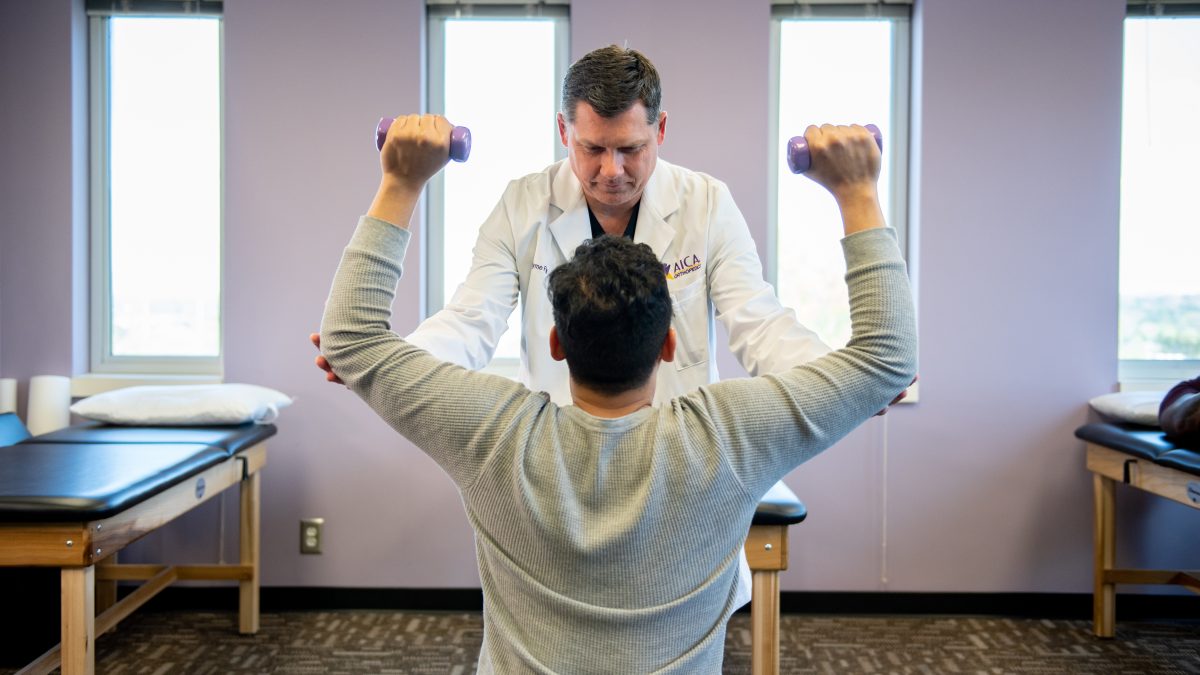
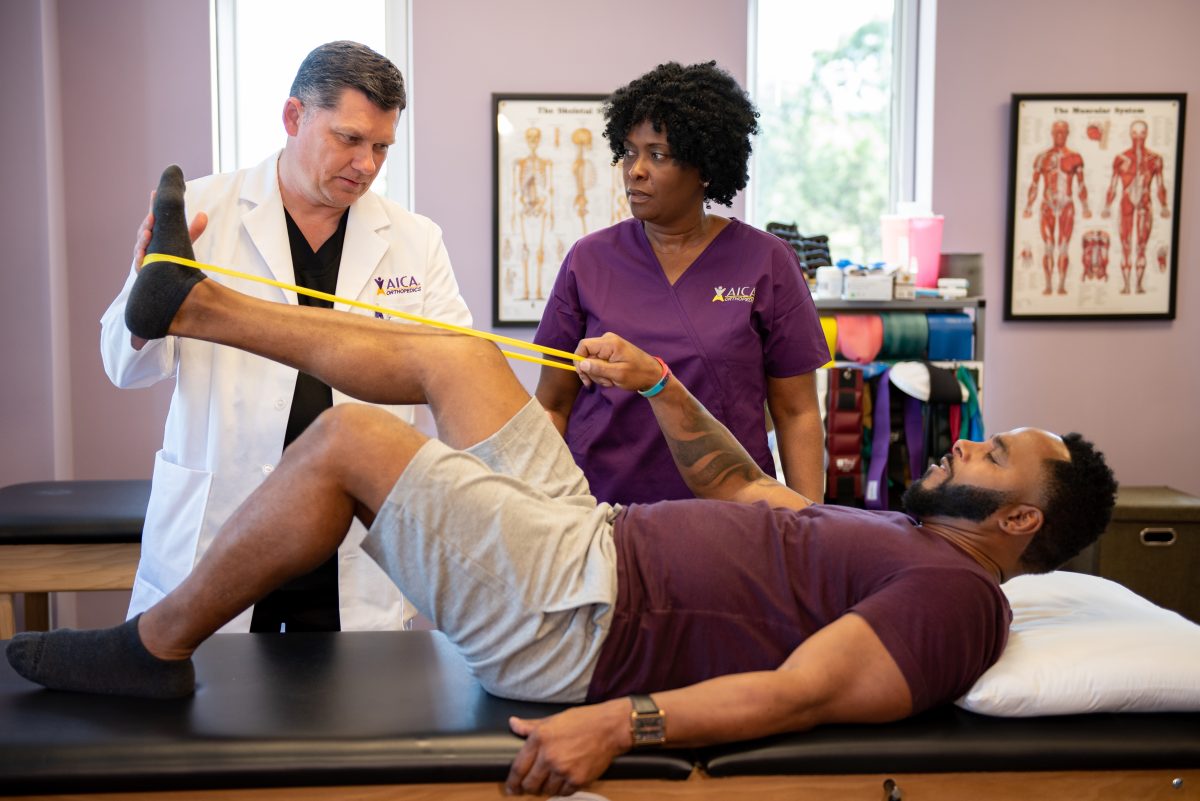
Sit out, stop playing, and let your body rebuild. This will include a regimen of physical therapy that will help to strengthen the rotator cuff and train it with necessary flexibility.
That being said, a complete tear may require surgery to repair the damage.
What Does It Feel Like?
If you do damage the rotator cuff, here are a selection of telltale signs:
- You’ll feel a mild aching in that shoulder – actually inside of the shoulder, because the muscles and ligaments are obviously below the outer layers of your body, nearer to the bones.
- That will probably disturb your sleep and aggravate your condition if you try to sleep on the injured shoulder.
- The damaged rotator cuff will keep you from performing typical tasks like lathering your hair or putting on a hair band.
- And when you try to use the arm, you may find it’s weak, and you’re not able to lift what you normally can.