Signs of a Traumatic Brain Injury
Concussion symptoms can be tricky, as they may not be obvious right after the injury happens. It can be hours or even days before you start to notice that something feels off. As soon as you hit your head or experience an injury, you should seek treatment, even if you are not experiencing symptoms. If you do begin to notice anything has changed, concussion protocol is to closely monitor symptoms for 24 hours, with someone else around to help.
Common symptoms of traumatic brain injuries include headaches, neck pain, pressure in the head, sensitivity to light or sound, balance issues, blurred vision, nausea, drowsiness, confusion, and troubles with memory or concentration. A severe concussion can cause you to lose consciousness for a period of time.
Beyond frequent headaches, many people will suffer migraines as a result of a prolonged or untreated head injury. Migraines can be an extremely debilitating form of headache, where the pain is intense and accompanied by nausea, vomiting, and sensitivity to light and sound. Some people are left unable to perform normal activities. These episodes can occur just a few times a year or even several times a month and can impede sufferers’ ability to work, care for families, or enjoy life as they may have before.
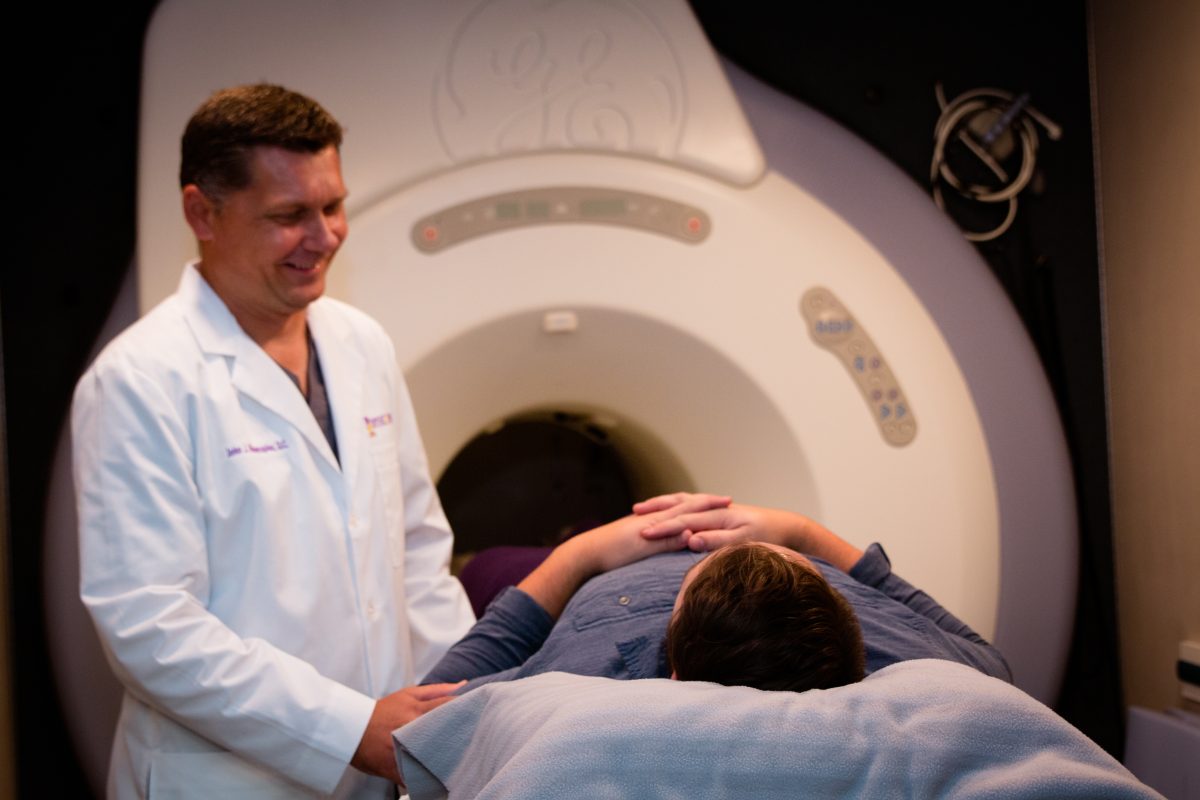
When you visit AICA Atlanta with symptoms of a concussion, proper imaging and exams can be performed to diagnose the nature and severity of your head injury. The earlier this is done, the more easily your treatment can be developed without the risk of worsening problems.