

Post-concussion syndrome is the medical name for a concussion whose symptoms last longer than four weeks. It is more common than most people expect. Up to a third of people who have a concussion are still dealing with headaches, brain fog, dizziness, light sensitivity, or broken sleep well past that point. The symptoms look the same from person to person, but the cause behind them does not, and post-concussion syndrome treatment depends on which part of your system is still affected. After a car accident, that is often your neck as much as your brain. The impact that concussed you also whipped your head back and forth. An injured neck can produce every symptom on that list. Treatment starts with an exam that checks the neck as well as the brain.
What Is Post-Concussion Syndrome?
A concussion is a mild traumatic brain injury that happens when your head stops suddenly and your brain keeps moving for a split second, pressing against the inside of your skull. While the brain recovers, the functions it controls are disrupted, and balance, concentration, mood, and sleep all tend to suffer at once. For most adults the recovery takes seven to fourteen days, and nearly everyone is back to normal within four weeks.
Once symptoms pass the four-week mark, doctors call the condition post-concussion syndrome, or persistent post-concussive symptoms. Some people are still dealing with it at three months, and a few go longer than that. The new name tells you how long your symptoms have lasted, but it does not tell you why they have lasted, and the reason differs from one person to the next. That is the reason treatment has to start with an evaluation instead of a standard plan.
Post-Concussion Syndrome Symptoms
The symptoms fall into four groups. Most people have some from each.
- Physical. Headaches, dizziness, fatigue, sensitivity to light and noise, blurred vision, ringing in the ears, and nausea.
- Cognitive. Brain fog, trouble concentrating, slow thinking, and short-term memory that does not hold onto details.
- Emotional. Irritability, anxiety, low mood, and a shorter temper than usual.
- Sleep. Trouble falling asleep, waking through the night, or sleeping far more than usual.
The emotional changes belong on this list for the same reason the headaches do. They come from the injury. They also tend to improve with the same treatment.
The Symptoms That Last Longest
Months after the injury, the two symptoms reported most often are headache and trouble thinking. Dizziness and balance problems usually come along with them. Those balance symptoms look a lot like vertigo, which can come from the inner ear or from the neck. For that reason, the two get evaluated together.
When to Go to the Emergency Room
Lingering symptoms are frustrating, but they are not dangerous on their own. A few changes are. If any of these show up, go to the emergency room instead of waiting for an appointment.
- A headache that keeps getting worse
- Repeated vomiting
- Seizures
- Weakness or numbness on one side of the body
- Slurred speech or growing confusion
- Pupils of different sizes
- Trouble waking up or unusual drowsiness
How Long Does Post-Concussion Syndrome Last?
Most people recover within three to six months. Some take longer, and a small number have symptoms for a year or more. Recovery tends to come in stages, with good stretches and setbacks along the way. A rough week after a good month is normal and does not mean you are back at the beginning.
How long your recovery takes depends partly on factors that were in place before the crash. Heavy symptoms in the first few days, early dizziness or balance problems, a history of migraine, previous concussions, and existing anxiety, depression, or sleep trouble are all linked to a longer course. One factor is still within your control: how soon you are evaluated. The longer symptoms go untreated, the longer they tend to last.
Post-Concussion Syndrome Years Later
When symptoms last for years, the brain itself has almost always healed. What has not healed is one of the systems the concussion disrupted, and those systems do not reset on their own. The neck is the one most often overlooked, because everyone was looking at the brain. Years of poor sleep, less activity, and the stress of feeling unwell add to it. None of that is permanent. These systems respond to treatment whether the injury was six weeks ago or six years ago, and the evaluation is the same either way.
Post-Concussion Syndrome Treatment
Current guidance is 24 to 48 hours of relative rest, then a gradual return to activity. Longer rest tends to prolong symptoms. After that, treatment depends on which of three patterns is driving your symptoms, and the exam identifies which one it is.
Graded Aerobic Exercise
When the part of your nervous system that controls heart rate and blood flow has not reset, you notice it as exercise intolerance, because your heart rate and your symptoms climb at a much lower effort than they used to. A graded treadmill test finds the intensity where your symptoms begin, and treatment starts just below it, building up as your tolerance improves. In the ACTBI trial, a 2024 randomized controlled trial in Archives of Physical Medicine and Rehabilitation, adults who had been symptomatic for three months to five years improved in both symptoms and quality of life after a six-week graded aerobic program.
Vestibular and Vision Rehabilitation
When your balance system and your eye-movement system stop working together, you feel it as dizziness in busy places, trouble tracking moving objects, motion sickness in the car, or a headache after an hour of screen time. Gaze stabilization, balance training, and exercises that reduce motion sensitivity bring the two systems back into step. The program follows what your exam shows, because the exercise that settles one person’s dizziness can set off another’s.
Treating the Neck
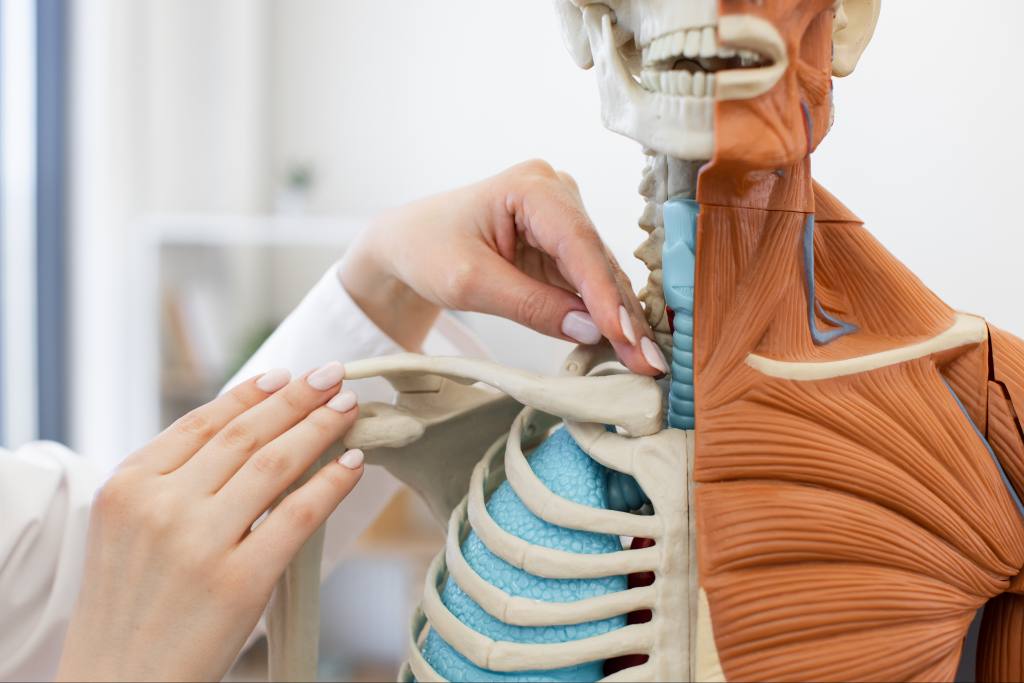
The collision that concussed you also whipped your neck, and an injured neck causes headache, dizziness, and poor balance that feel identical to the brain-injury version. Only an exam that tests the neck on its own can tell the difference, and it is the first thing to check after a crash because collisions produce car accident head injuries and neck injuries together far more often than either one alone. Treatment is manual therapy, gentle neck mobilization, and retraining of the neck’s position sense. At AICA Atlanta the chiropractor and the physical therapist work in the same clinic and coordinate this work, because the neck and the balance system affect each other.
Sleep, Headache, and Neurology Support
Sleep is addressed early, because poor sleep makes every other symptom worse. Headache treatment depends on the type, since a neck-driven headache and a migraine-type headache respond to different things. For cases that are not responding to a standard plan, a chiropractic neurologist brings extra training in brain and nervous system rehabilitation, and AICA Atlanta has them on staff alongside medical neurologists.
Get a Post-Concussion Evaluation at AICA Atlanta
If you are weeks or months past a crash and still not right, the useful next step is an exam that tests all three patterns. An exam that only checks whether the concussion has healed is not enough. Post-concussion syndrome is one of the conditions we treat with chiropractors, neurologists, and physical therapists in the same clinic, with X-ray on site and access to open MRI and CT if your history calls for it. Find the AICA Atlanta clinic nearest you across our 20 Metro Atlanta locations and book a free consultation, or call 404.889.8828 to reach a doctor at any hour. Same-day appointments are available.
Frequently Asked Questions
Can post-concussion syndrome show up weeks after the accident?
Symptoms usually begin within days of the injury. Many people do not connect them to the crash until later, once the adrenaline wears off and work, driving, and screens put normal demands back on the brain. A symptom that is brand new months after a crash should still be evaluated, because something other than the concussion may be causing it.
Is post-concussion syndrome permanent?
For most people, no. Symptoms improve with targeted treatment. Studies show improvement even in people who have been symptomatic for a year or more. No provider can promise a specific outcome, but the usual direction is toward recovery.
Should I be resting or staying active?
Active, within limits. After the first day or two, long rest is no longer recommended and can make symptoms last longer. The right level is activity that stays just below your symptom threshold, and an exercise test can identify it.
Can a chiropractor treat post-concussion syndrome?
Chiropractic care treats the neck-related part of the picture, which is a large part after a car accident. It works alongside vestibular therapy and medical care, not in place of them.
Does post-concussion syndrome affect children differently?
Children and teens often take longer to recover than adults. They need their own return-to-school and return-to-play steps. Prevention matters more at that age. Parents and coaches can reduce the risk of concussion in young athletes with preseason physicals, proper technique, and the right equipment.